Dustland: A Vintage Font for Bold, Confident Design
Finding the right typeface for a project is about more than just legibility. It's about finding a voice. Some projects call for the quiet neutrality of a classic sans serif font, while others demand the historical weight of a serif font. But when you need to inject a project with raw energy, personality, and a touch of nostalgia, you need a font with a story to tell. That’s where a handwritten font like Dustland comes in. It’s not just a set of characters; it’s a creative font with a distinct, vintage styled personality that can transform your logo design or headline from ordinary to unforgettable.
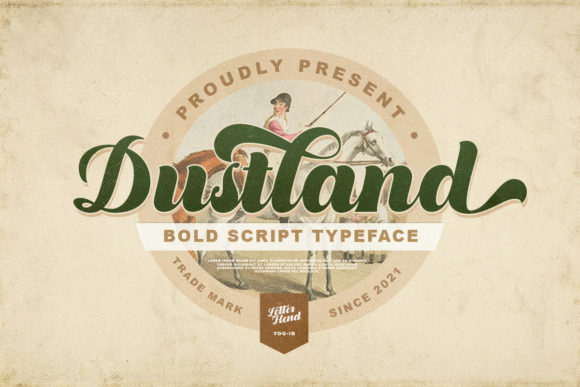
At its core, Dustland is a display font built for impact. Its letters are crafted with the confident, slightly irregular strokes of a hand holding a marker or brush, giving it a dynamic and energetic feel. This isn't a delicate, flowing script font; it’s strong, legible, and full of character. Think of the worn signage on an old workshop, the bold title of a classic movie poster, or the rugged branding on a leather goods label. Dustland captures that spirit. It’s a premium font that feels authentic, avoiding the overly polished or digital look that can make some fonts feel cold. Its visual style is one of confident imperfection, which makes it incredibly appealing for brands and creators looking to stand out.
Where Dustland Truly Shines
The real value of a typeface is in its application. A font like Dustland isn’t meant for body text in a novel, but it excels in projects where you need to make an immediate, memorable impression. Its strong personality makes it ideal for brand identity work, particularly for businesses that want to convey authenticity, craftsmanship, or a rebellious edge. Imagine it on the logo for a craft brewery, a barbershop, a motorcycle garage, or an indie record label. The font does half the branding work for you, instantly setting a tone.
Beyond logos, its strengths extend across various design assets. For packaging design, it can make a product pop on a crowded shelf. In editorial design, it’s perfect for magazine headlines, chapter titles, or pull quotes that need to grab a reader’s attention. For web design, it can be used strategically for hero sections, call-to-action buttons, or feature headlines to break the monotony of more standard web fonts. Social media managers and content creators will find it invaluable for crafting eye-catching social media graphics, YouTube thumbnails, or podcast cover art. It’s a versatile tool for anyone involved in publishing, from bloggers designing their site headers to authors creating compelling book covers.
Making Dustland Work for Your Project
Choosing a creative font like Dustland requires a bit of strategic thinking. Its strength is its personality, but that also means it won’t be the right fit for every context. A financial institution or a medical practice might find it too casual, but a lifestyle brand, a music festival, or a personal blog could find it’s the perfect match. The key is to evaluate your project's goals. Are you trying to feel approachable, rugged, artistic, or nostalgic? If so, Dustland is worth exploring.
One of the most important steps is testing font pairing. Because Dustland is a high-impact display font, it works best when paired with a simpler, more neutral typeface for supporting text. A clean sans serif font like Montserrat or Lato often creates a beautiful balance, allowing Dustland to be the star of the show without overwhelming the viewer. You could also pair it with a classic, readable serif font for a more traditional, yet dynamic, contrast. Always test your pairings in context—see how they look together on a mockup website, a business card, or a social media post.
Before you commit, take time to review the font's full character set. A quality commercial font will often include multiple styles, such as different weights, italics, or a set of alternate characters. These extras can provide more flexibility for your modern typography projects. Also, consider readability at different sizes. While Dustland is designed for headlines, you should still test it at the size you intend to use. Ensure the letterforms remain clear and distinct. Finally, always check the licensing. For any professional or commercial use, confirm you have the correct license. This is a standard part of working with design assets and protects both you and the font's creator.
Ultimately, a typeface is a tool for communication. Dustland is a tool that communicates confidence, creativity, and a connection to a more tangible, handmade aesthetic. It’s for the designer who wants to add a layer of nostalgic character, the entrepreneur building a brand with soul, or the publisher crafting a cover that demands to be picked up. Used thoughtfully, it doesn’t just display words—it tells a story before a single sentence is read.